One reason humans and their pets benefit so much from each other is simple: everything is connected. As long as we all share this planet, humans, animals, and the environment rely on one another to stay healthy.
This idea of deep interconnection across time and space is at the heart of many Indigenous worldviews. In Western science, we acknowledge these interconnections through a concept called One Health.
What Is One Health?
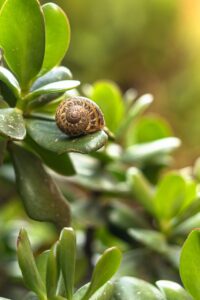
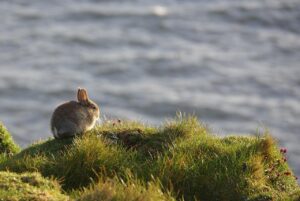
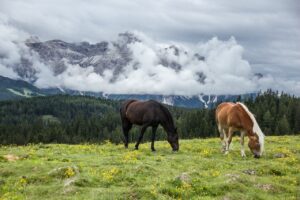
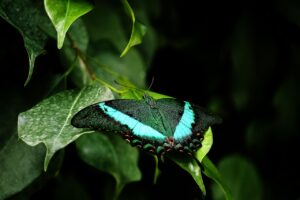
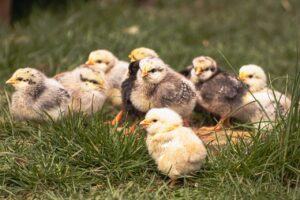
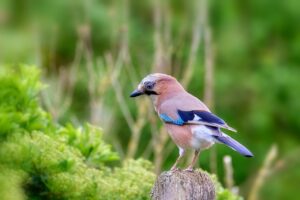
One Health is a framework that recognizes the health of people, animals, and the environment as deeply intertwined. We depend on clean water, stable climates, and rich biodiversity to survive and thrive. Every species—from the tiniest insects that feed birds to predators that maintain balance in ecosystems—plays a role in sustaining life on Earth.
Human health doesn’t exist in a vacuum. It’s tied to the well-being of animals and the natural systems that support them. One Health calls for a respectful, cooperative relationship between humans, animals, and the environment—one built on mutual dependence and care.
When we start to see how everything is linked, it becomes clear why we care so deeply about animals that aren’t human, and why we’re drawn to protect the ecosystems that support our relationships with them.
It helps explain the emotional value we place on our pets, and it shows why preserving a rich, full ecosystem isn’t just about conservation—it’s about supporting a web of life that includes us.
Pets as a Bridge to Nature
It’s easy to talk about the close relationship between people and their pets—but how often do we consider the environment’s role in that bond?
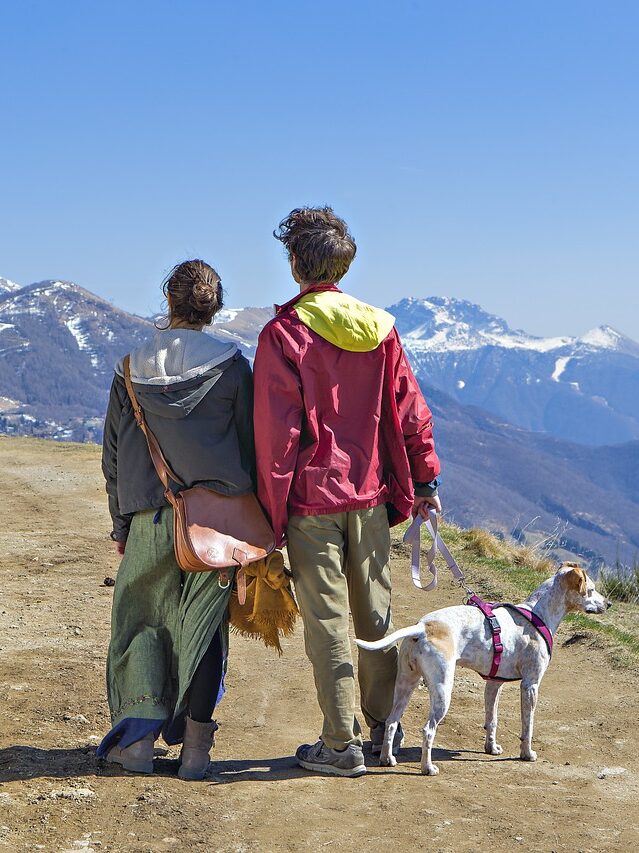
Our pets help reconnect us to nature in simple but powerful ways. Dogs, for instance, get us outside. Whether we’re walking through forests, playing on the beach, or tossing a ball by the lake, we’re engaging with the natural world. These moments bring joy and reduce stress—and they’re only possible when the environment is healthy.
Imagine walking your dog along a serene shoreline. The sun is shining, the air is fresh, and your dog is happily splashing in the water. Now picture the same scene, but the beach is littered with garbage, and your dog comes back with trash in their mouth. The magic of the moment vanishes. That’s the cost of a damaged ecosystem.
Even indoor pets draw us into the natural world. Cats, for example, often perch by windows, chattering at birds or watching squirrels dart across the yard. Their fascination with the outdoors reminds us to look up from our screens and notice the world outside.
Our pets encourage mindfulness. They draw our attention to seasonal changes, the sound of birdsong, the rustle of leaves. In these small moments, we’re reminded that we’re part of a something much larger.
Environmental Risks to Pets—and People
Of course, a healthy relationship with nature also means staying aware of the risks. Environmental changes can threaten the health of both humans and animals.
For instance, climate change is contributing to more frequent and intense algae blooms in lakes and rivers. These blooms can be toxic, making swimming dangerous for both people and pets. Meanwhile, warming temperatures are expanding the range of disease-carrying insects like ticks. This has led to an increase in illnesses such as Lyme disease and anaplasmosis in pets and their owners alike.
Pets that spend time outdoors face additional risks. Predators like coyotes and fishers pose a threat, but pets can also become predators themselves, hunting birds or small mammals. This behavior can expose them to diseases carried by wildlife, such as avian viruses.
All of this brings us back to the core idea: everything is connected. The health of our pets is tied to the health of the environment, and so is our own well-being. By caring for our animals, we’re also prompted to care for the planet. And by protecting the natural world, we’re creating a healthier, safer, and more joyful life for ourselves and the creatures we love.
Together, we can nurture a deeper understanding of how our lives—and the lives of our beloved pets—are woven into the fabric of the natural world. When we honor those connections, everyone benefits.
A One Health framework could revolutionize how we think about human and animal health. Take a look at our blog on how we might rethink medical/veterinary education. Would you like to know more about a One Health understanding of the relationship between animals, people and the environment? Here are a few resources: