
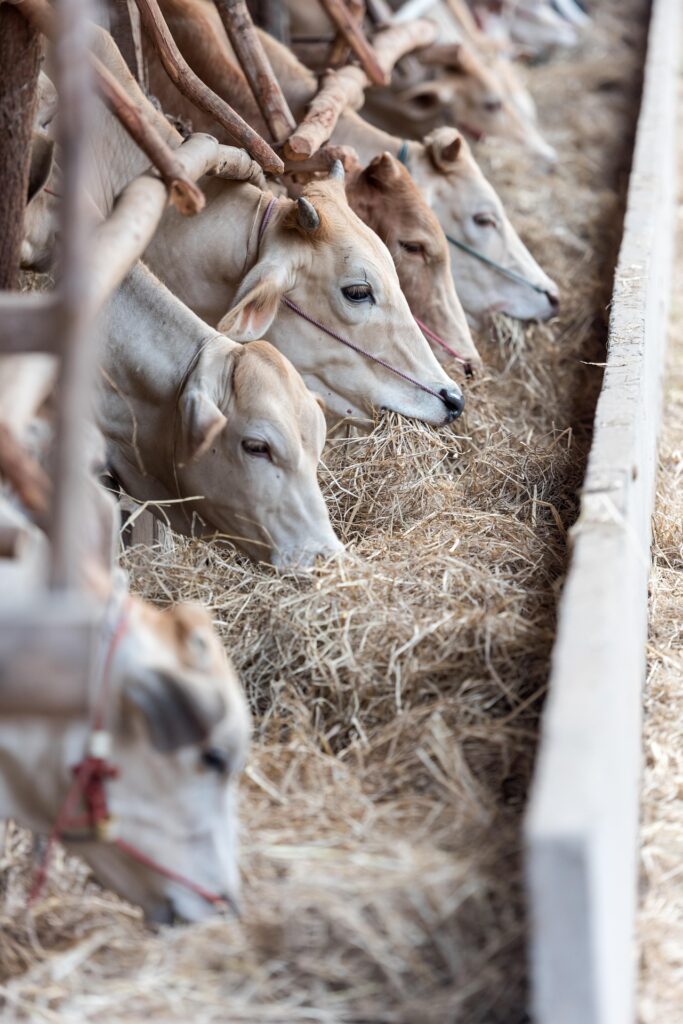
Reality Check: The Hidden Costs of Traditional Animal Farming
For centuries, raising animals for meat and protein has been a staple of human diets. But today, this practice comes at a steep ethical and environmental price. Animal agriculture is one of the largest contributors to greenhouse gas emissions, deforestation, and excessive water use. Beyond the environmental toll, the reality for farmed animals is often grim—marked by widespread inhumane practices that cause immense suffering.
Even setting ethics and environmental concerns aside, traditional animal farming faces a fundamental limitation: space. As the global population grows—and as developing regions like Asia and Africa continue to gain economic power—demand for meat is skyrocketing. With more people able to afford meat-heavy diets, the strain on land and resources is becoming unsustainable. Quite simply, the Earth does not have enough green space to raise the number of animals needed to keep up with this rising demand.
Cultivated Meat: A Safer, Smarter Alternative
Enter cultivated meat—real meat, grown directly from animal cells in a controlled environment. By producing meat without raising, transporting or slaughtering animals, this method sidesteps many of the ethical and logistical issues of conventional farming.
Not only does cultivated meat remove the suffering from the equation, it also offers a cleaner supply chain. Eliminating the need for live transport, industrial slaughter, and unsanitary conditions significantly reduces the risk of food contamination. In terms of both food safety and animal welfare, it’s a dramatic leap forward.
A Future Within Reach
Cultivated meat isn’t just a technological innovation—it’s a moral turning point. With billions of animals enduring lives of confinement and suffering, the pursuit of humane alternatives isn’t optional. It’s necessary.
To sustainably meet global protein demands, we need solutions that are efficient, scalable, and ethical. Cultivated meat offers a way to nourish the world without compromising the planet—or our values. It’s a future where we can reduce harm, protect the environment, and still enjoy the foods we love.
The shift won’t happen overnight, but the path is clear: a smarter food system is possible, and it starts with rethinking meat.