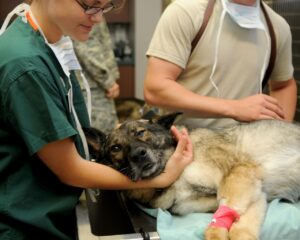
When I began working in laboratory animal medicine, I noticed something that set the field apart—not perfection, but an open acknowledgment that the use of animals in research, teaching, and testing carries an ethical cost. Many lab animal veterinarians I met didn’t shy away from admitting that these animals can and do suffer. They didn’t celebrate the use of animals—they viewed it as a necessity they were ethically obligated to improve upon, not defend without question.
At the heart of this mindset is a well-established framework known as the 3Rs:
While implementation isn’t perfect, the 3Rs are widely recognized in lab animal medicine as essential to responsible practice.
But when I look at how animals are used in food production— I’m left asking: Why haven’t the 3Rs made it to the farm?
The Missing 3Rs in Animal Agriculture
The contrast is hard to ignore. In laboratory settings, there’s at least a visible effort to embrace alternatives and improve practices. In the farm animal sector, the same energy is absent. Discussions around reducing numbers or replacing animals altogether with alternatives like plant-based or cultivated proteins are met with outright resistance.
And this resistance isn’t only ideological—it’s often rooted in self-preservation. Some veterinarians express concern that embracing alternatives, such as plant-based or cultivated proteins, could threaten their professional roles. But imagine a physician saying, “I don’t want a cure for cancer because it might put me out of work.” Most people would find that deeply troubling—and rightly so. We should respond with the same concern when veterinarians resist progress in the 3Rs or dismiss innovations that could reduce or eliminate the need for animals in food production.
The truth is, the profession isn’t at risk of becoming irrelevant. There are far more animals on the planet than people, and veterinary needs continue to expand into areas like wildlife health, ecosystem restoration, companion animal medicine, shelter/rescue medicine (both small and large animal), policy, and public health. Ethical progress doesn’t mean fewer jobs—it just means different ones.

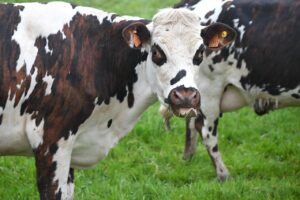
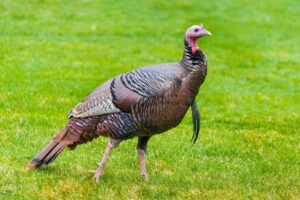
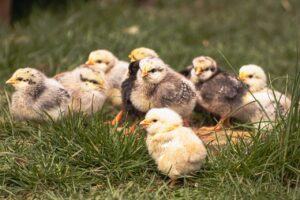
Acknowledging Suffering Is Step One
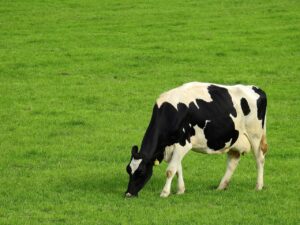
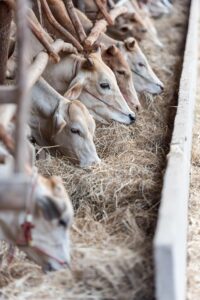
What frustrates me most isn’t that the animal agriculture industry causes suffering—that’s already well-documented. It’s the unwillingness within the veterinary sector to openly acknowledge that reality. Painful practices like tail docking, castrations disbudding and dehorning without anesthesia or post-operative pain meds, teeth clipping, branding, overcrowded housing, live transport, and rough handling aren’t fringe examples—they’re standard procedures. And yet, many farm animal veterinarians hesitate to even call them what they are: painful and inhumane.
By contrast, lab animal medicine, for all its flaws, has at least tried to institutionalize a level of transparency and introspection that farm animal medicine lacks. There’s room for growth in both fields, but at least in the lab setting, the goal of doing better is clearly stated—even if not always perfectly achieved.
Re-centering the Role of the Veterinarian
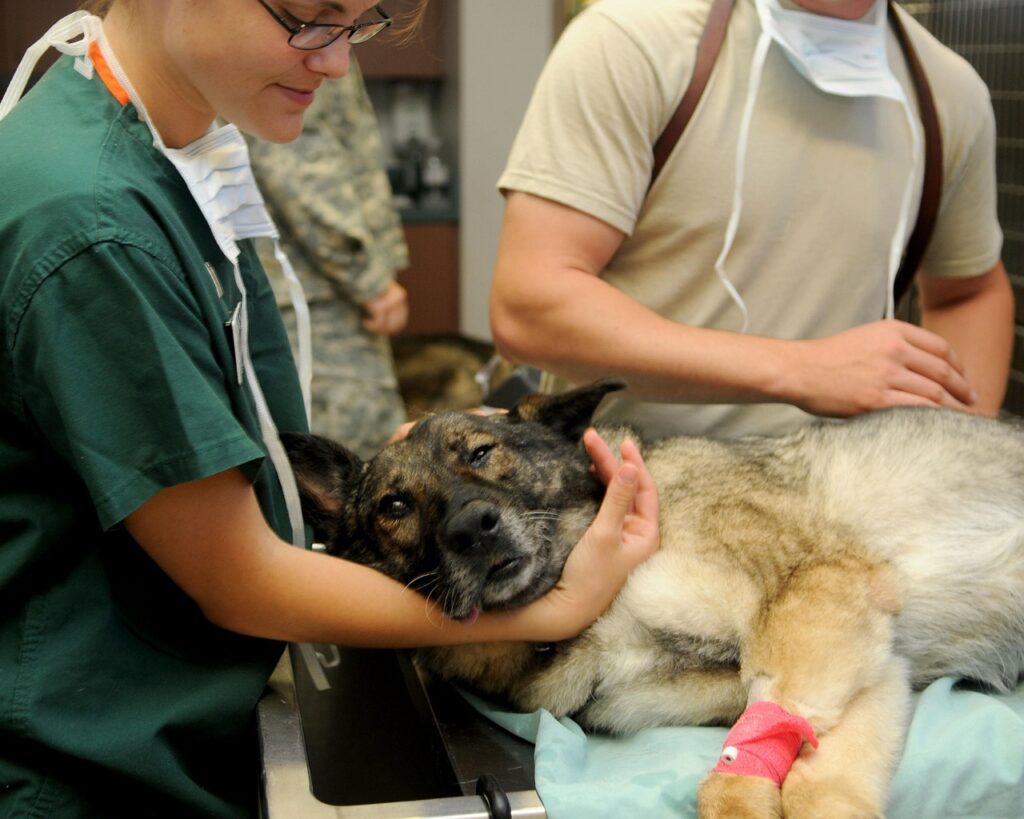
Veterinarians, regardless of sector, have a primary responsibility to the animals under their care—not to the researchers, not to the farmers, and not to the industries. Investigators and producers already have their own advocates. Animals do not.
Veterinarians are supposed to be that voice.
This means recognizing when systems cause suffering and being part of the movement to change them. It means supporting alternatives—whether that’s comprehensive pain management plans, enriched and less crowded housing, or entirely new food technologies that replace animal use altogether.
The 3Rs aren’t just for the lab. They’re a model of ethical progress that belongs anywhere animals are used for human purposes—including food production.
A Path Forward
What’s needed is a shift—not just in practice, but in mindset. Farm animal veterinarians must begin to ask the same questions their lab animal counterparts have been wrestling with for decades: Is there a better way? Can we use fewer animals? Can we cause less harm? Can we do this differently—or not at all?
The path forward won’t be simple or immediate. Rethinking entrenched systems takes time, courage, and a willingness to question what’s long been accepted. But no meaningful change can begin without first naming the problem: farm animals are suffering, and veterinarians have a responsibility to do better. Acknowledging that reality is the first step.