
“When we die,” asked Rabbit, “where do we go?”
“Into the hearts of those who have loved us most.” said
Bear. “That way we’re together forever.”
– Tara Shannon #RabbitAndBear
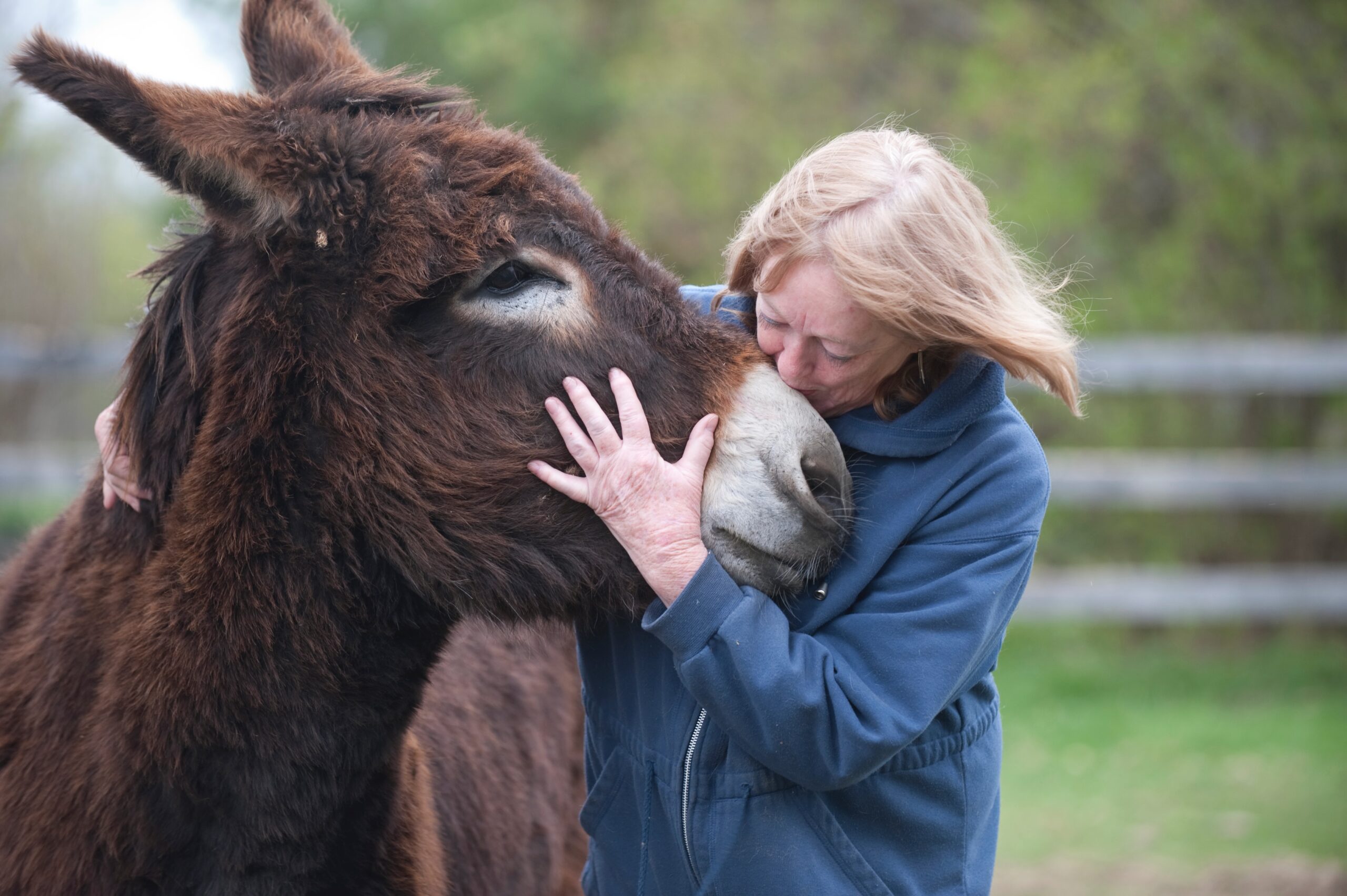
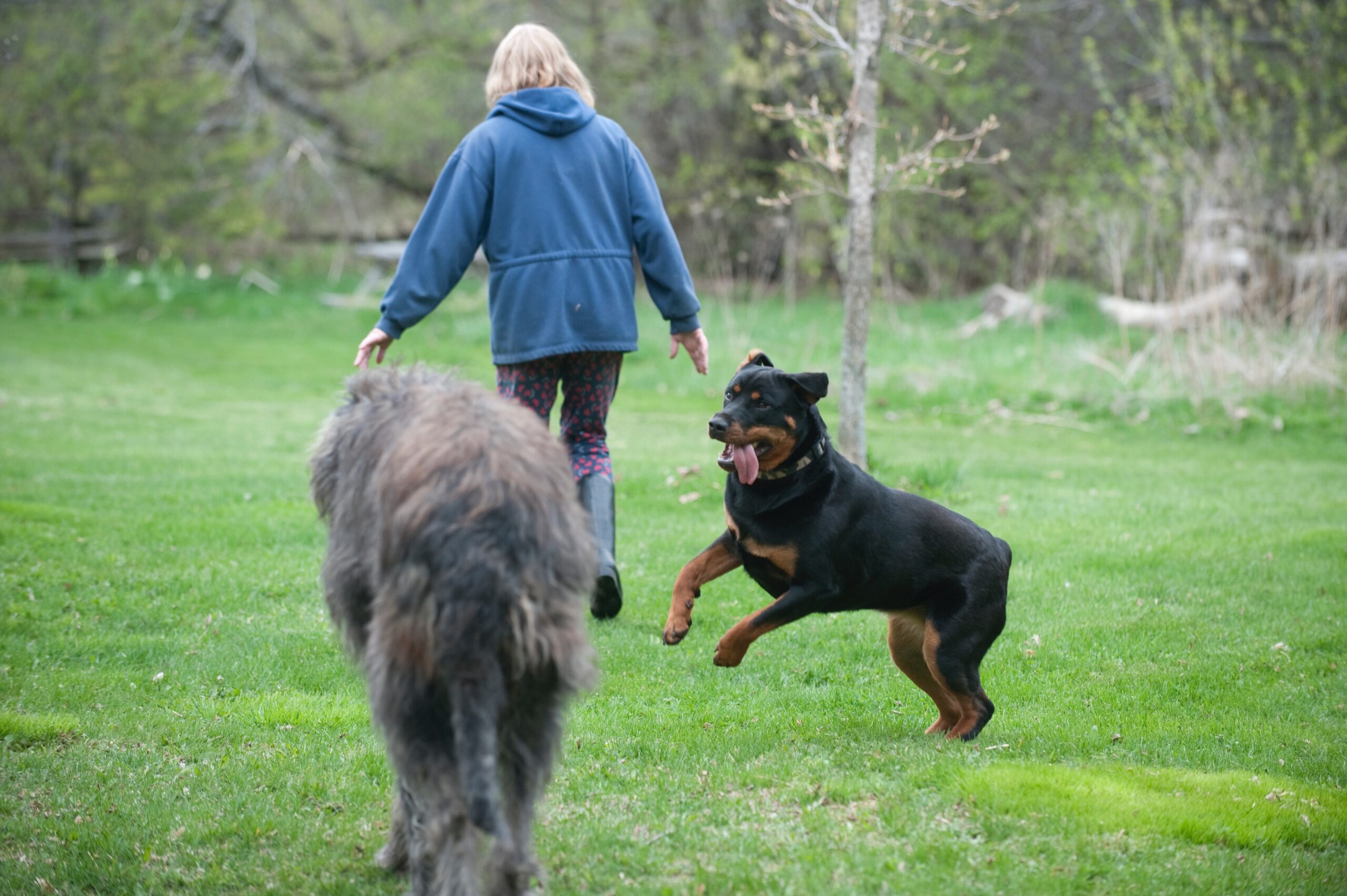
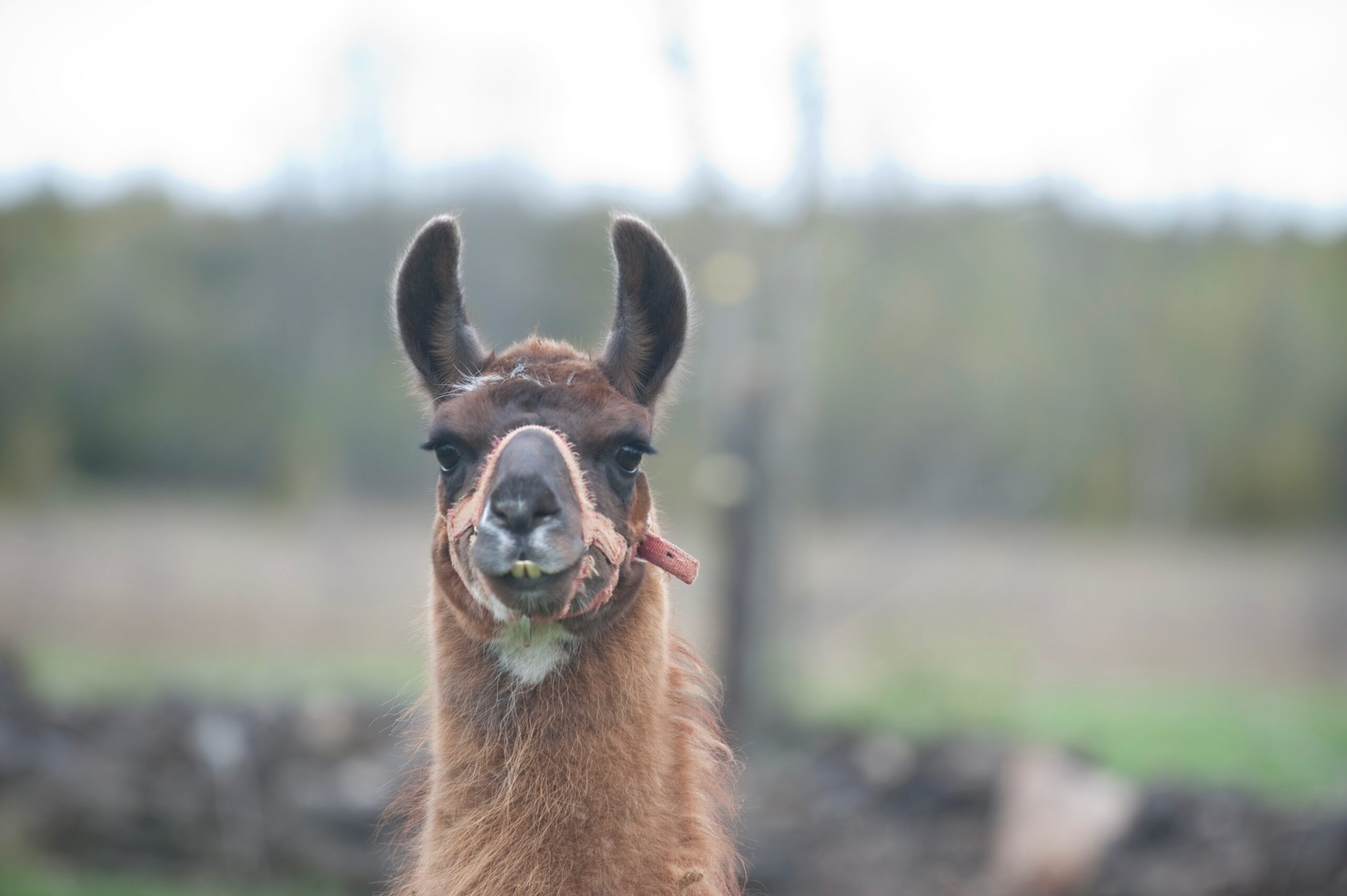
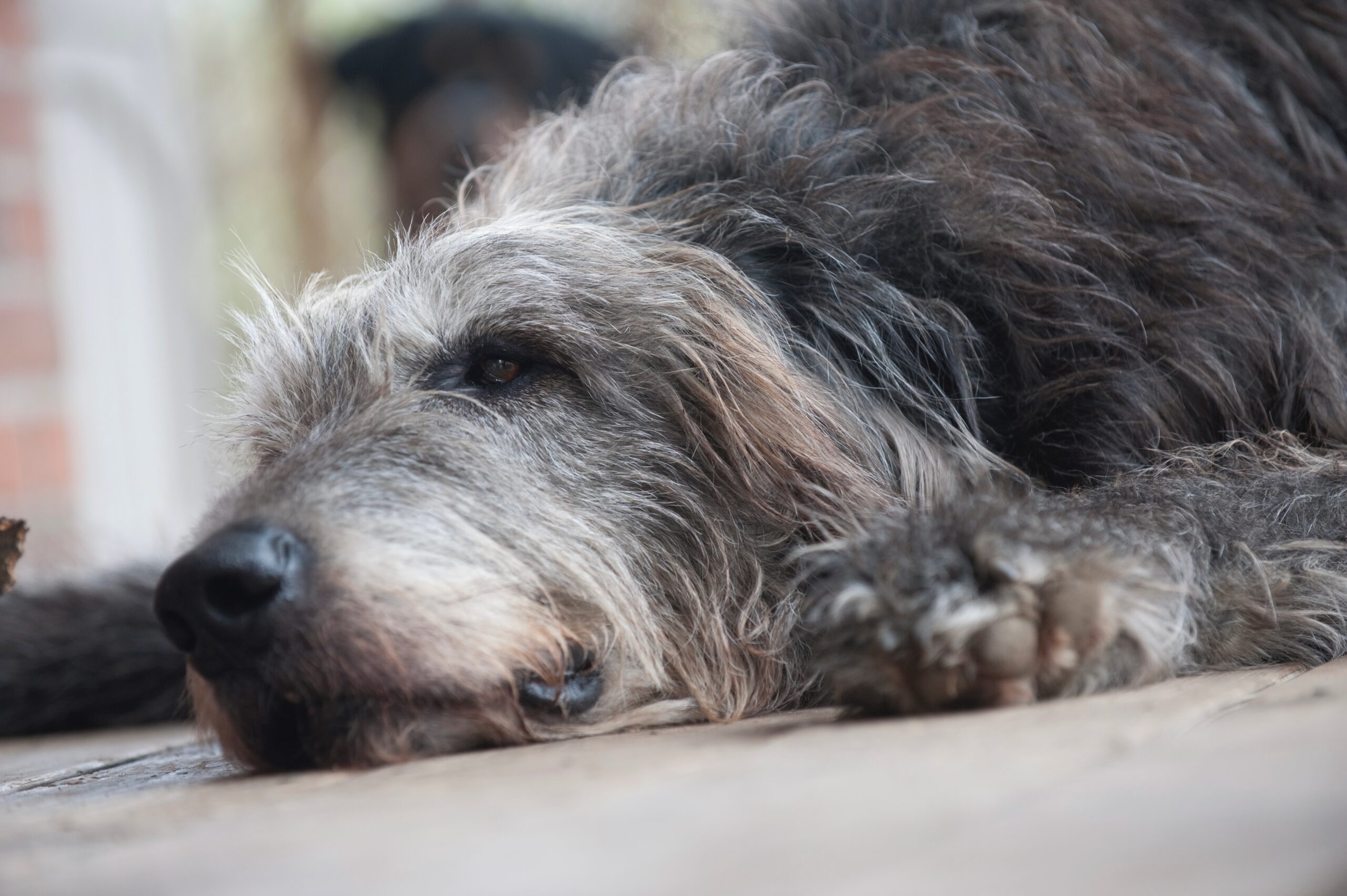
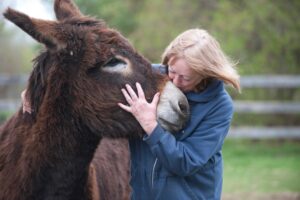
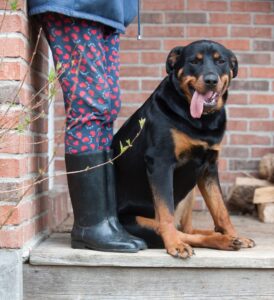
Once upon a time on a farm in Ontario, the animals began to collect in the care of a kind woman named Lorelei. Lorelei did not have a lot of time for people, but when Donkey needed to be rescued from an abusive situation, Lorelei had lots of time to tell Donkey that he was loved. Then Donkey was joined by Llama so that they could keep each other company. All under the watchful eyes of dogs Sadie and Bran. Many cats also came looking for a safe place to eat and sleep.
One day, Donkey noticed lots of cars coming and going. “Hey, what’s happening in the house?” he asked Sadie the dog.
“Lorelei isn’t feeling so good. The one with her voice is feeding us now”.
“Oh oh”, said Donkey, “I’ll come look in the window to make sure she’s ok.”
“I don’t think she’ll see you Donkey.” Sadie said sadly “I’ve been watching over her, and it doesn’t feel right. Bran is beside himself. He’s stopped eating.”
A few days later, under Donkey and Llama’s watchful eyes, they saw Bran going into one of the 4-wheels.
“Hey Sadie, where is Bran going?”
“Oh dear. Oh my, things are so much worse. Now Bran is very sick too. I’m so worried. None of the cats are playing. And Lorelei isn’t getting up anymore. Lots of strangers coming and going.”
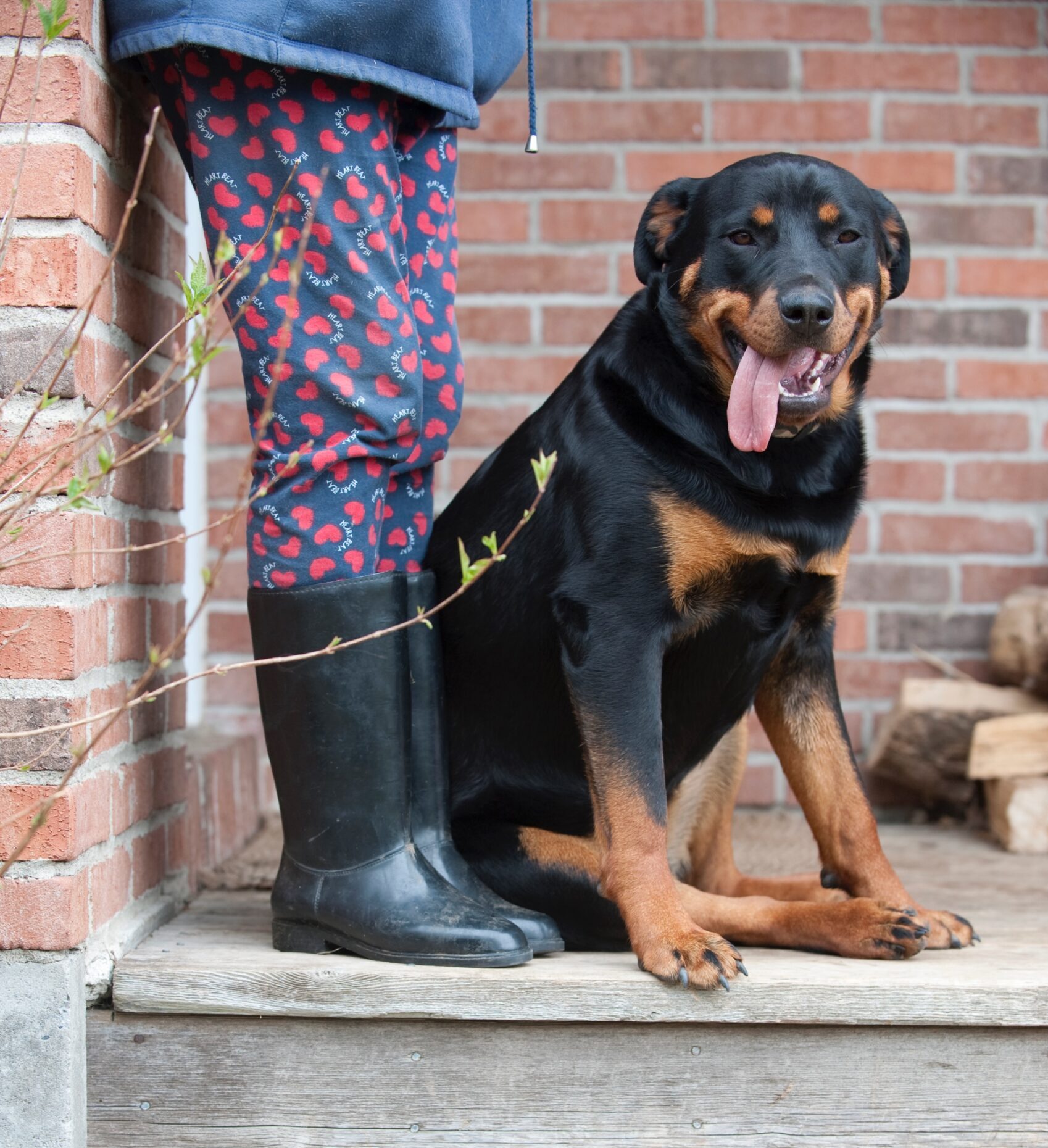
That night, Donkey and Llama heard the howling as Sadie shared her great great sorrow to the skies. “Lorelei is gone. Bran is gone. What are we to do? How do I find her? I will stay by her bed until she is back. Surely she’ll come back for me.”
Donkey and Llama hung their heads together. They knew their worlds were going to change and felt they would never be at peace again.
In memory of my mother Lorelei Manley, all the animals she took into her heart,
and the big capacity for love that she passed on to me.
The Science of Grief
There is no question that non-human species feel grief. There are many anecdotal stories of dogs waiting for their human companions to return after they’ve died, and of cats and dogs travelling great distances to return to the people they love. Animals ranging from dogs and cats to elephants, orcas, and birds show many grief-like responses such as depression and withdrawal, caressing, carrying or ritualistic burying of their dead, vocalizations, and disruptions in social roles.
Like humans, grief among animals triggers biological stress responses, including elevated stress hormones, reduced immune functioning, appetitive and cardiovascular changes, and sleep disturbances. As with humans, consoling grieving animals can help, but it can often take time and patience to adapt to the loss. For ethical reasons, there isn’t a lot of research on animal grief, and most is observational. While human expressions of grief are shaped by cultural and psychological processes, the parallels with animal reactions points to the universality of the emotions associated with grief and social bonds.
Grief is not a disorder, a disease, or a sign of weakness. It is an emotional, physical and spiritual necessity; the price you pay for love. The only cure for grief is to grieve.” – Dr. Earl A. Grollman




Hopf, D., Eckstein, M., Aguilar‐Raab, C., Warth, M., & Ditzen, B. (2020). Neuroendocrine mechanisms of grief and bereavement: A systematic review and implications for future interventions. Journal of Neuroendocrinology, 32(8), e12887.
King, B.J (2014). How animals grieve. University of Chicago Press.
Park, R. M., Royal, K. D., & Gruen, M. E. (2023). A literature review: Pet bereavement and coping mechanisms. Journal of Applied Animal Welfare Science, 26(3), 285-299.
Coping with the loss of a pet. https://www.avma.org/resources-tools/pet-owners/petcare/coping-loss-pet
Photos by Sue Bird, UrbanDogPhotog