
The Surprising Source of Horses for Slaughter in Canada: Amish and Mennonite Communities and the Case of Billy
When we think about the origins of horses sent to slaughter, we often picture old racehorses or abandoned animals. But there is another surprising source of horses—one that is tied to the cultural practices of the Amish and Mennonite communities. These communities use horses in everyday life, but their treatment of them can be less than ideal. Horses that have outlived their usefulness, particularly draft horses like my third rescue horse Billy, can face an uncertain fate, with some ultimately ending up at slaughterhouses or being shipped live overseas, to countries like Japan.
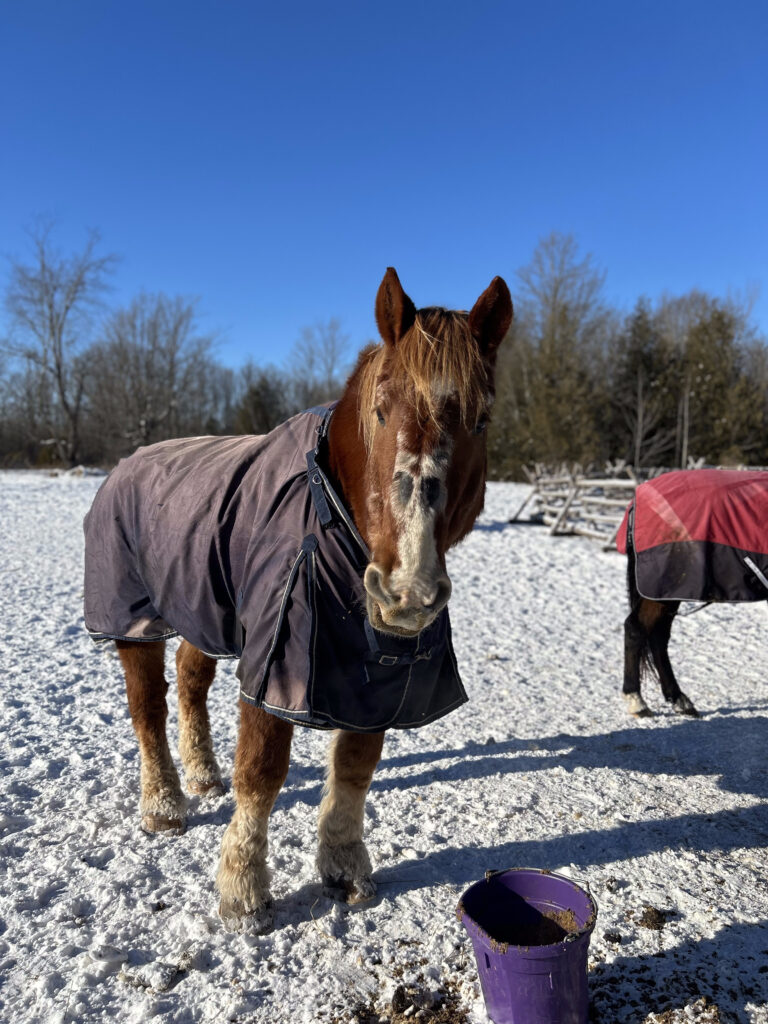
“I have seen things so beautiful they have brought tears to my eyes. Yet none of them can match the gracefulness and beauty of a horse running free.”
– Unknown
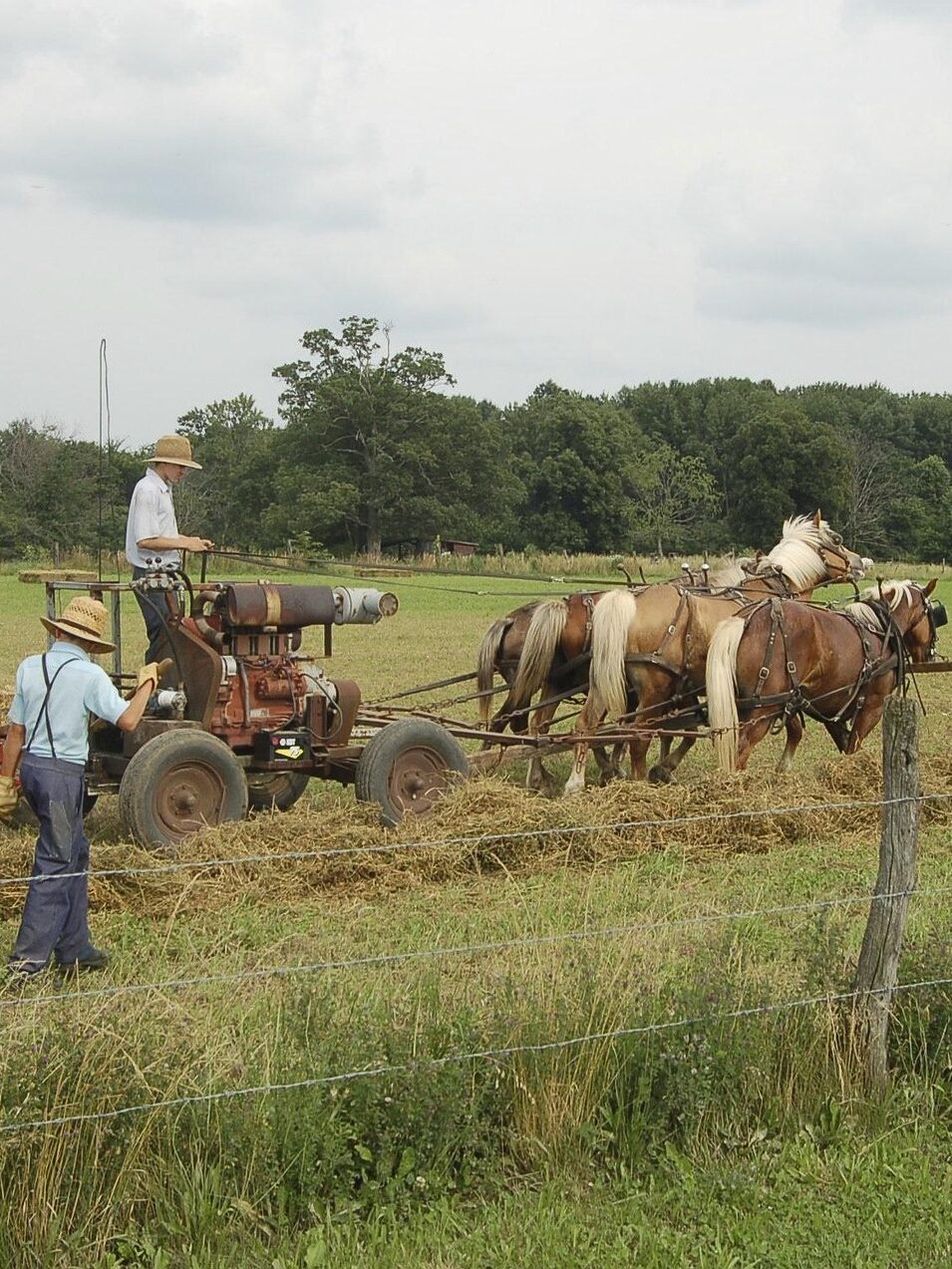
The Mennonite and Amish Communities and Horse Care
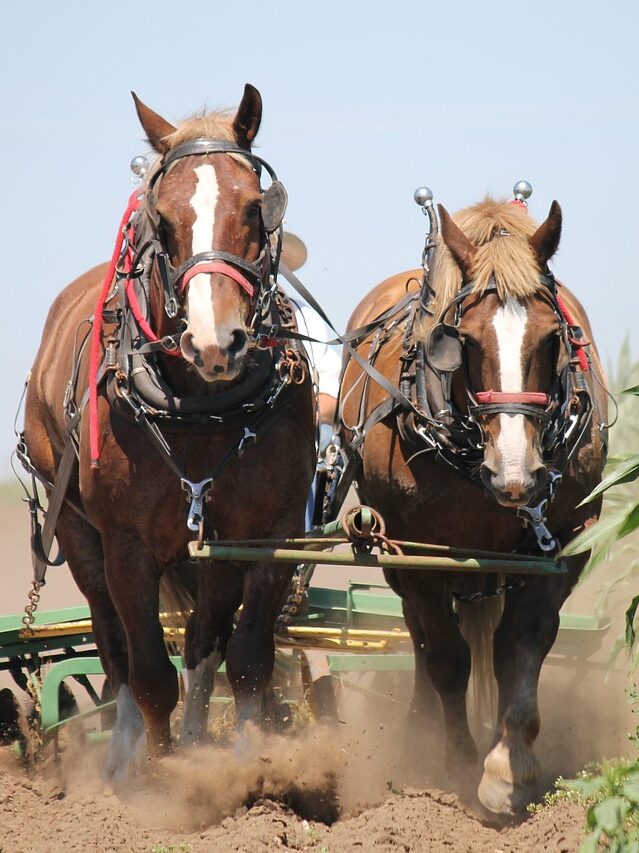
In many Amish and Mennonite communities, horses are integral to daily life. They are used primarily for farming and pulling buggies. It’s not uncommon for retired racehorses to find a second life within these communities, where reliance on modern machinery is limited.
However, the fate of these horses can take a darker turn once they are no longer able to work due to age, injury, or declining health. It’s not unusual for horses to be sold to kill buyers, middlemen who purchase animals cheaply for slaughter.
Billy’s Journey: From Mennonite Farm to Rescue
Billy’s story is a prime example of this issue. A large, gentle draft horse, Billy was sold by his Mennonite owners to a kill buyer, who then approached a rescue organization. The rescue was essentially given an ultimatum: buy Billy at a highly inflated price, or he would be sent to slaughter. In this case, the rescue paid double what the kill buyer had purchased Billy for, just to save him.
Upon rescuing Billy, it became clear that he had not been properly cared for. His harness equipment had caused painful sores and bald patches on his body, evidence of improper fitting and long-term neglect. He was also in need of basic medical care, including vaccinations, deworming, hoof trimming and dental work.
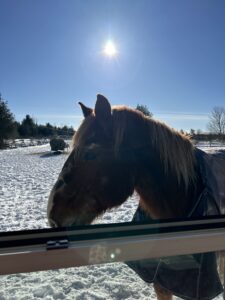
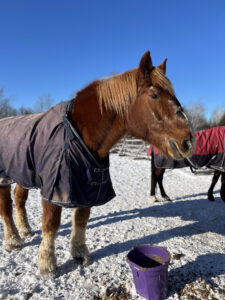
In September 2019, I was contacted by a friend who knew about Billy’s plight and asked if I would take him in. Despite his large size—about 1,500 pounds—Billy is a gentle giant. I agreed, and he has been with me ever since. Billy has since found peace and happiness in his retirement, living with his best friend, Taz, a Standardbred mare. He enjoys grooming sessions and a relaxed life, free from the hardships he once faced.
The Issue of Live Shipment to Japan
Billy’s story also highlights a separate issue in the horse slaughter industry: the live shipment of horses to Japan. While many horses are slaughtered within Canada, a significant number of draft horses, like Billy, are shipped alive to Japan, where they are fattened up and later slaughtered to make a specific type of sashimi called basashi.
This is a practice that has drawn international outrage, as Canada is one of only a few countries who live ship horses to Japan. The trip they take is often incredible long and tiring (sometimes exceeding the 28 hr limit on travel) and they are not fed or given water throughout their journey. They are also shipped in inhumane conditions that are extremely stressful and tiring for them.
The live shipment of horses for slaughter is a separate issue from the regular slaughterhouses within Canada, but both contribute to the same tragic cycle. While horses like Billy may be spared from immediate slaughter by rescue organizations, the broader system of kill buyers and live export is a problem that needs to be addressed on a global scale.
A Compassionate Solution: Giving Horses Like Billy a Second Chance
Billy’s rescue is a success story, but it’s also a reminder of the challenges horses face when they are no longer needed. The problem of horse slaughter, whether within Canada or through live shipment to countries like Japan, remains an ongoing concern. However, there are steps that can be taken to help prevent these tragic outcomes.
Support for local rescues, greater awareness about the issue of live export, supporting political campaign to help these horses and stronger regulations surrounding the treatment and sale of horses could help ensure that fewer horses like Billy end up in the hands of kill buyers. Additionally, encouraging responsible horse ownership and promoting the adoption of retired draft horses can provide them with the peaceful retirements they deserve.
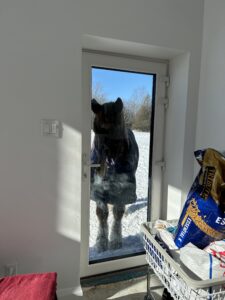
For Billy, his story ended on a positive note. He now spends his days enjoying apples, carrots, and a loving environment surrounded by his horsey friends. He can often be found staring at me through my back door at around 4pm when his warm bran mash dinner is expected (his internal clock is astoundingly accurate). But for many other horses, the fight to ensure their well-being continues. It is up to us to stand up for their future and offer them a life of dignity, respect, and care.