
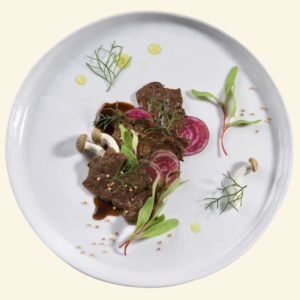

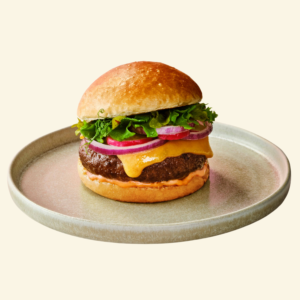
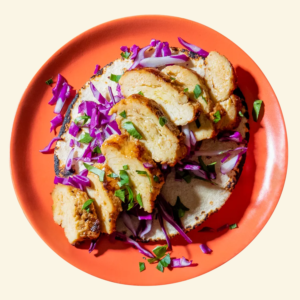
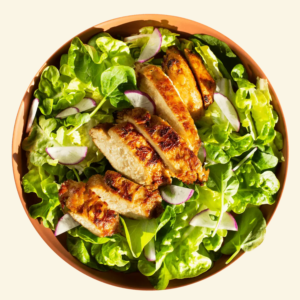

Plant-based meats and cultivated meats are two alternatives to traditional animal products.
Plant-based meats are made from plant ingredients like soy, peas, or wheat, which are processed and engineered to mimic the taste, texture, and appearance of meat.
Cultivated meats, also known as lab-grown/clean/cultured meats, are produced by growing animal cells in a controlled environment, allowing them to grow into real muscle tissue without raising or slaughtering animals.
While plant-based meats offer a vegan or vegetarian alternative, cultivated meats provide a way to enjoy real meat without ethical and environmental concerns, as they do not involve animal production or slaughter. Yay – I can finally eat my Polish kielbasa again!
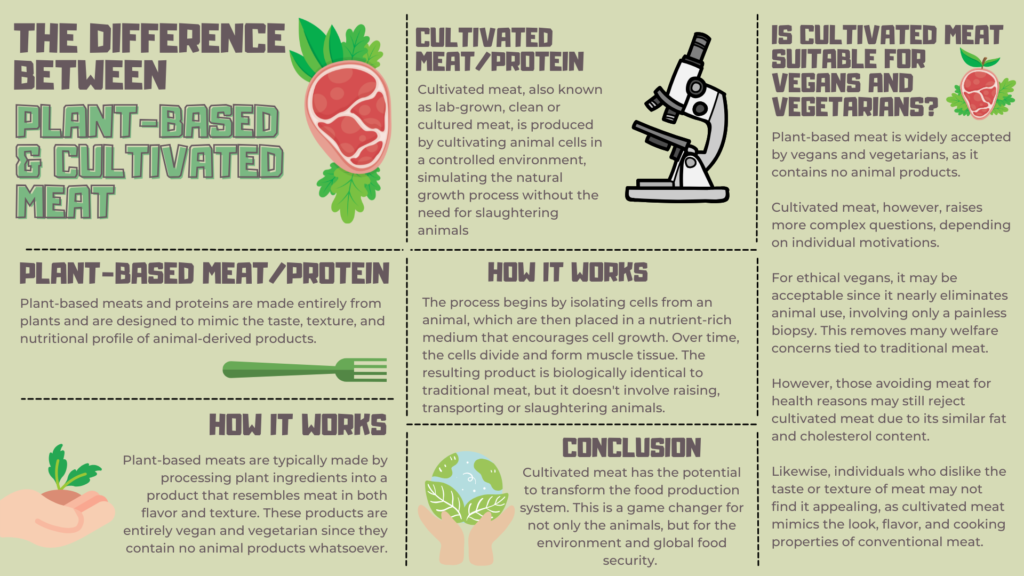
Infographic Information (with more details)
The Difference Between Plant-Based Meat and Cultivated Meat
As the world moves toward more sustainable and ethical food systems, alternative proteins are increasingly gaining attention. Among the leading alternatives are plant-based meats and cultivated meats. While both offer exciting solutions for addressing global food security, reducing environmental impacts, and most importantly, providing more ethical alternatives to animal farming, they are distinct in their production methods and ethical implications.
Plant-Based Meat/Protein
Plant-based meats and proteins are made entirely from plants and are designed to mimic the taste, texture, and nutritional profile of animal-derived products. These foods are created using ingredients such as soy, peas, lentils, wheat, and other plant-based sources. Common examples include products from companies like Beyond Meat and Impossible Foods.
How It Works:
Plant-based meats are typically made by processing plant ingredients into a product that resembles meat in both flavor and texture. For example, Beyond Meat uses pea protein, rice, and other ingredients to create a product that looks and tastes like beef. These products are entirely vegan and vegetarian since they contain no animal products whatsoever.
Cultivated Meat/Protein
Cultivated meat, also known as lab-grown, clean or cultured meat, is produced by cultivating animal cells in a controlled environment, simulating the natural growth process without the need for slaughtering animals. The cells are harvested from a live animal and then grown in a bioreactor, where they multiply and mature into muscle tissue, resulting in real meat.
How It Works:
The process begins by isolating cells from an animal (usually a small sample of muscle tissue via a biopsy), which are then placed in a nutrient-rich medium that encourages cell growth (basically an environment that mimics what the cells would be exposed to in the body). Over time, the cells divide and form muscle tissue. The resulting product is biologically identical to traditional meat, but it doesn’t involve raising, transporting or slaughtering animals.
Is Cultivated Meat Suitable for Vegans and Vegetarians?
Plant-based meat is widely accepted in vegan and vegetarian diets because it does not involve the use of animals or animal by-products in any form. With regards to cultivated meats, this is a bit of a trickier question to answer and depends largely on an individual’s motivations for choosing a plant-based lifestyle.
If someone is an ethical vegan and avoids meat because of the inhumane practices involved in the meat production system, then cultivated meats essentially eliminates the use of animals almost entirely. The only time an animal is used is to collect the initial muscle cells via biopsy.
As a veterinarian who performs biopsies myself, the process is quite simple and painless (as it is done under local anesthetic). This means that cultivated meat could eliminate all of the ethical and welfare concerns associated (LINK) with traditional meat production. For this reason I think it is suitable for ethical vegans and vegetarians.
If someone is avoiding meat for health reasons—such as concerns about cholesterol, fat, or the risk of certain diseases—cultivated meat may not be appealing. Since cultivated meat is biologically identical to the meat grown from animals, it carries the same health risks, including potential issues like high levels of saturated fats and cholesterol. For those who do not want to consume these elements, cultivated meat would not be an ideal choice.
Additionally, for individuals who follow a vegan or vegetarian diet because they simply dislike the taste or texture of meat, cultivated meat would likely hold little appeal seeing as it looks and cooks like traditional meat.
Conclusion
Cultivated meat has the potential to transform the food production system. For the first time in history, we can make real meat without the need to raise, transport and kill animals. This is a game changer for not only the animals, but for the environment and global food security.